

When it comes to achieving and maintaining your ideal weight, it’s easy to think it’s just about calories in and calories out, right? Well, not quite! While calories are part of the equation, “overall health” is just as important. Focusing on proper nutrition isn’t only about shedding or maintaining weight—it’s also about keeping your heart healthy, reducing your risk of cancer, and improving your well-being.
The good news? With balanced nutrition, you’re not only helping to control your weight but also reducing cholesterol, lowering blood pressure, and giving your body the nutrients it needs to thrive.
The Building Blocks to Good Nutrition
To keep your body running smoothly, you need the right combination of nutrients. Here’s a quick rundown of the essentials:
- Carbohydrates:
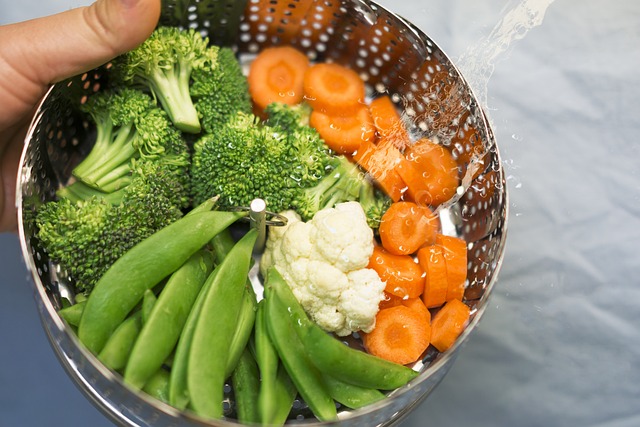
Think of carbs as the fuel for your body. They give you the energy to get through your day. But not all carbs are created equal! Complex carbs (like whole grains and veggies) give you lasting energy, while simple carbs (like sugar) can spike your blood sugar and leave you feeling sluggish.
- Proteins:
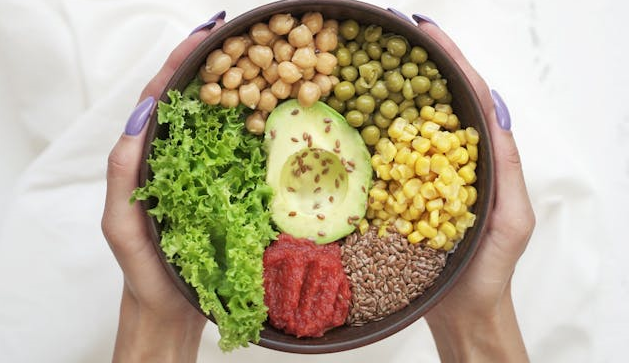
Protein is your body’s building material. It helps maintain muscles, tissues, and even produces hormones. But watch out—too much animal protein, which is high in saturated fats, can lead to high cholesterol. Opt for a balance of plant-based proteins, like legumes and nuts, to keep things in check.
- Fat:
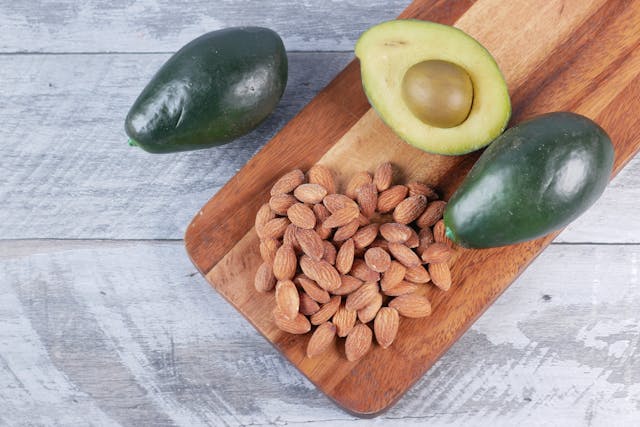
Yes, you read that right – your body “needs” fat! But the kind of fat matters. Unsaturated fats (think olive oil, avocados, and nuts) are great for you, while saturated and trans fats should be kept to a minimum. Too much of the wrong fat can lead to health issues, but healthy fats keep your brain sharp and your heart strong.
- Vitamins:
Vitamins are the unsung heroes of your diet. They help with everything from boosting your energy to supporting your immune system. For example, vitamins A, C, and E (known as antioxidants) protect your arteries, while B vitamins help with everything from digestion to detoxification.

- Minerals & Trace Elements:
These little guys may not get a lot of attention, but they play vital roles. Phosphorus helps build strong bones, while minerals like chlorine aid in digestion. Even salt, in moderation, helps your body function properly. Just be sure not to overdo it, as too much salt can raise your blood pressure.

Good nutrition is the foundation of a healthy, happy life!
Tips for a Balanced Diet
Here are some simple guidelines to make sure you’re getting the right nutrients:
- Fruit and Veggies
Aim for 2.5 cups of vegetables and 2 cups of fruit each day. A colourful plate ensures you’re getting a wide variety of nutrients. - Whole Grains
Strive for six servings of grains each day, with at least three coming from whole grains like brown rice or oats. Whole grains are rich in fibre, which is great for digestion and keeps you full longer. - Dairy
The Australian Dietary Guidelines recommend 2-4 servings of milk, yogurt, or cheese daily to keep your bones strong and get enough calcium. Try low-fat or fat-free versions for a healthier option. - Healthy Fats
Fat should make up 20-35% of your daily calories, but focus on unsaturated fats. Less than 10% of your calories should come from saturated fats, and avoid trans fats altogether. - Fibre & Potassium
Make fibre-rich fruits, vegetables, and whole grains a regular part of your meals. Potassium-packed foods like bananas and sweet potatoes are also fantastic for your heart and muscles
Moderation is Key
Enjoying a balanced diet doesn’t mean giving up everything you love. It’s about moderation. Yes, you can have the occasional glass of wine or dessert – just keep it in check.
Ready to start your journey to better nutrition? Let’s make small changes that lead to big results!
Share this guide with someone who needs it, and let’s inspire each other to eat well and live well!
If you enjoyed this article and want to learn more about nutrition, check out this article.
 Adriana D'Agostino