
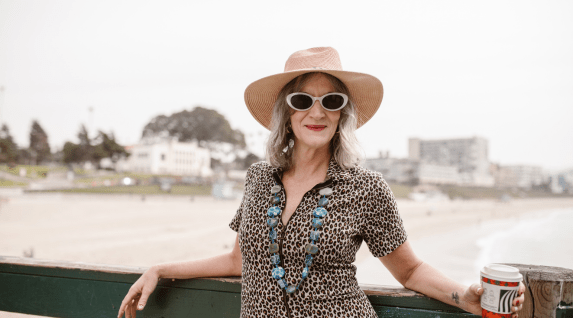
Menopause and perimenopause can feel like uncharted territory. One moment you’re cruising along, and the next – your cycle changes, your sleep disappears, and hot flushes show up uninvited. Add mood swings, brain fog, and energy slumps into the mix, and it’s no wonder this life stage can feel overwhelming.
But here’s the truth: Menopause is not the end – it’s a natural transition!
With the right knowledge, tools, and support, it can be a time of empowerment, vitality, and growth.
What’s Happening to Me?
Menopause is one of life’s natural transitions, but let’s be honest – it can feel confusing, confronting, and sometimes overwhelming. You might find yourself wondering:
- “Why can’t I sleep through the night?”
- “Why am I suddenly drenched in sweat during a meeting?”
- “Is it just me, or have I misplaced my brain somewhere?”
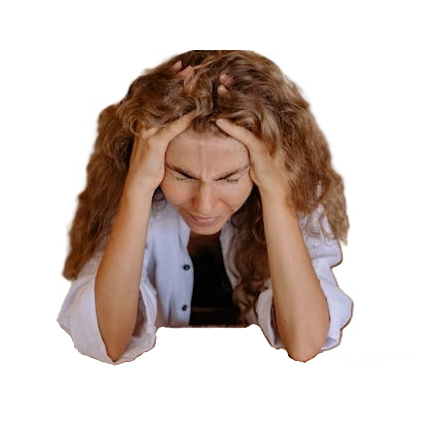
The good news? You are not alone!
Millions of women experience these changes every year, and while the journey is unique for each of us, understanding what’s happening inside your body can help you feel more grounded and empowered.
Stages of the Journey
While every woman’s journey is unique, knowing what to expect during each stage can help you prepare for and manage the changes ahead. There are three stages of the menopause journey.
- Perimenopause
This is the lead-up, often beginning in your 40s (sometimes earlier), and can last from a few months to 10 years. During this time, estrogen and progesterone fluctuate unpredictably, leading to irregular cycles, hot flushes, mood swings, brain fog, and those infamous 3am wake-ups.
Think of it as the rollercoaster (ups, downs, surprises). - Menopause
This is officially defined as 12 months without a period, usually between ages 45 and 55.
Think of it as the final stop (your last period). - Postmenopause
This is the stage after, when hormones stabilise at a new baseline.
Think of it as the new chapter (adjusting to life after the shifts).
Common Experiences
Every woman’s journey is different, but common symptoms include:
- Irregular or skipped periods
- Hot flushes and night sweats
- Mood changes or irritability
- Brain fog or forgetfulness
- Trouble sleeping
- Weight fluctuations
- Vaginal dryness or changes in libido
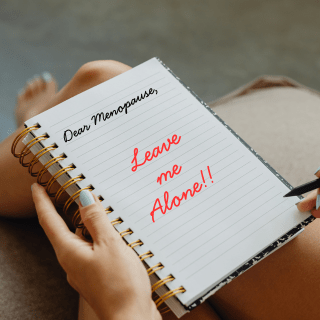
One woman shared: “I walked into the kitchen three times in one evening and forgot why I was there each time. My family joked about it, but inside I felt scared that something was wrong with me.”
These experiences remind us that menopause symptoms affect not just our bodies, but also our confidence, relationships, and daily lives.
Use this checklist to help highlight what symptoms are bothering you.
Role of Hormones
So, what’s driving all of this? Hormones!!
- Estrogen declines, affecting cycles, skin, bones, heart health, and brain function.
- Progesterone decreases, often causing heavier bleeding and sleep difficulties.
- Testosterone shifts, influencing muscle tone, energy, and libido.
When these messengers are out of balance, the ripple effects touch every aspect of wellbeing.
As one client put it: “It wasn’t just the hot flushes – it was feeling like a stranger in my own body. I didn’t recognise myself any more.”
Knowledge is power. Once you understand what’s happening, you can begin to take back control.
You don’t have to navigate menopause alone. Your health matters, and vibrant living is possible at every stage of life.
Remember:
Menopause is a transition, not an ending
If you’re ready to better understand your body and explore supportive strategies, let’s start the conversation. Reach out today to book a session and take the first step toward reclaiming your confidence and vitality.
For more information on menopause, check out these blogs – “Thriving Through Menopause”, “Harmonise Your Health” and “Nutrition & Marvellous Menopause”.
 Adriana D'Agostino