
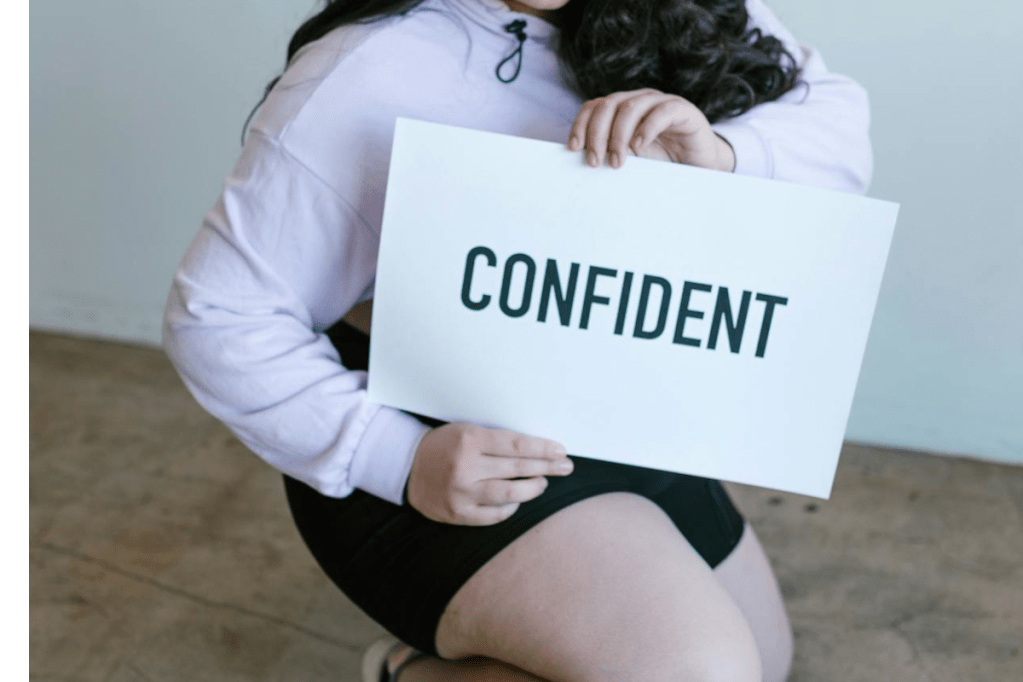
Why it Feels Harder – And What Actually Works
If you’ve been trying to lose weight and it suddenly feels harder than it used to, you are not imagining it.
Many women reach a stage – particularly in midlife – where the old strategies of “eat less, move more, push harder” stop delivering consistent results. Instead, you may notice lower energy, stronger cravings, stubborn weight gain, or a body that feels unfamiliar.
And often, confidence quietly takes a hit alongside the physical changes.
This isn’t about willpower – And it certainly isn’t about failure.
Bodies evolve. Hormones shift. Muscle mass naturally declines. Stress accumulates. Sleep patterns change. All of these influence how your body regulates weight – and how you feel within it.
When your body changes, your strategy needs to change too. And so does the way you speak to yourself
Why Weight Loss Can Start to Feel More Different
Weight regulation is not just about calories – it’s about how your body manages energy.
Your body composition and metabolic health are influenced by:
- Hormonal balance
- Muscle mass
- Blood sugar stability
- Sleep quality
- Stress levels
- Long-term dieting history
When stress is high, sleep is disrupted, or muscle mass declines, the body becomes more protective of stored energy. Traditional dieting approaches can become less effective – leaving you feeling frustrated and confused.
The issue isn’t you. It’s the oversimplified advice we’ve been given for years.
The Truth About Metabolism
Many people believe their metabolism has “broken.” In reality, metabolism adapts.
Muscle is metabolically active tissue. The more lean muscle you maintain, the more energy your body uses at rest. This becomes increasingly important during perimenopause and menopause.
Repeated restrictive dieting can gradually lower metabolic output. Over time, aggressive calorie cutting becomes less effective – and often more stressful on the body.
If you are eating less but not seeing change, your body isn’t broken. It’s responding intelligently to perceived stress.
True metabolic support focuses on strength, nourishment and stability – not deprivation.
Why Extreme Dieting Backfires
When food intake drops dramatically, the body perceives threat.
It may respond by:
- Reducing metabolic rate
- Increasing hunger hormones
- Elevating cortisol
- Holding onto stored fat

Short-term weight loss may occur. But long-term cycles often include rebound gain, frustration, and a loss of self-trust.
Sustainable weight loss requires reducing stress on the body – not increasing it. And genuine body confidence cannot grow in a cycle of punishment.
What Actually Supports Sustainable Weighty Loss
The shift most women need isn’t more restriction – it’s better support.
Long-term weight regulation and body confidence are supported by:
- Adequate protein to preserve and build muscle
- Resistance training to maintain lean mass
- Balanced meals that stabilise blood sugar
- Restorative sleep
- Nervous system regulation to lower chronic stress
- Consistency rather than extremes
When the body is nourished and supported, energy stabilises. Cravings soften. Strength improves. Body composition shifts gradually and sustainably.
And something else happens too: Self-trust begins to rebuild.
Sustainable change is rarely dramatic – but it is lasting. Confidence grows in that steadiness.
Redefining Success Beyond the Scale
The scale measures weight.
It does not measure:
- Energy
- Strength
- Resilience
- Hormonal balance
- Mental clarity
- Emotional stability

When we prioritise metabolic health, the scale becomes one data point – not the definition of success.
Body confidence comes from feeling capable, steady and strong – not from chasing the smallest possible version of yourself.
Healing Your Relationship With Food
For many women, sustainable weight loss also requires healing their relationship with food.
Years of restrictive cycles can create stress, guilt and mistrust.
Shifting from: “How do I control my body?” to “How do I support my body?” changes everything.
Support builds Stability – Stability builds Trust – Trust builds Confidence
And confidence makes lasting change far more achievable – because you are no longer fighting yourself.
Sustainable Weight Loss & Body Confidence Go Hand in Hand
Sustainable weight loss is not about perfection.
It’s about:
- Muscle over extremes
- Consistency over intensity
- Regulation over restriction
- Nourishment over punishment

Body confidence doesn’t appear when you hit a certain number.
It develops when you feel supported, informed and empowered in your own body.
Your body responds to how it is treated.
When you work with it – rather than against it – both weight regulation and confidence improve.
* * * * * * * * *
If you are navigating hormonal changes or midlife transitions and would like structured, practical guidance, my Marvelous Menopause program provides education, clarity and community support tailored specifically for this stage of life.
For those wanting additional daily nutritional support, the Arbonne Daily Essentials Bundle can be a simple way to increase protein intake, support metabolism and maintain steady energy as you build sustainable habits.
Small, consistent steps – nourishing meals, strength-building movement, restorative sleep – create meaningful change over time.
Your health matters at every stage of life.
And feeling strong and confident in your body is absolutely possible.
Book a free discovery call and let’s explore your sustainable weight loss and body confidence so that you feel supported as you move into the year ahead – in a way that feels sustainable and aligned with you.
 Adriana D'Agostino